The Complete Guide to Hairballs in Cats, Everything You Need to Know
As a cat owner, you may be terrified of the sound your cat makes when it vomits up a hairball.
While most owners consider hairballs in cats to be a common problem, you may be surprised to learn that they are not a normal part of a healthy cat’s life.
In the past five years, veterinarians have been studying the causes and triggers of hairballs in cats. Dr. Kathy Lund of Cat City, a medical center specializing in feline diseases in Rhode Island, and Dr. Neil Marinan of Old Lyme Veterinary Hospital in Old Lyme, N.Y., are among the group.
“I always thought that hairballs were a natural and somewhat harmless process,” says Lund, “but we’ve come to the conclusion that cats who have problems with them are the ones who have problems.”
Because of the noise they make, people often think that their owners might have allergies or asthma, but the problem with hairballs isn’t in the cat’s lungs. Hairballs come from the cat’s digestive tract. “If you see a hairball, you know your cat has vomited,” says Marinan.
What do cat hairballs look like?
You’ve probably seen one of these balls in your life, but to be more precise, they’re made up of a mass of coiled tubes (despite their name, they’re actually circular in shape) and are surrounded by a thick, watery mucus. The elongated oval shape of the balls is because they pass through the cat’s esophagus. These balls can be from one to several inches long.
How does a hairball form?
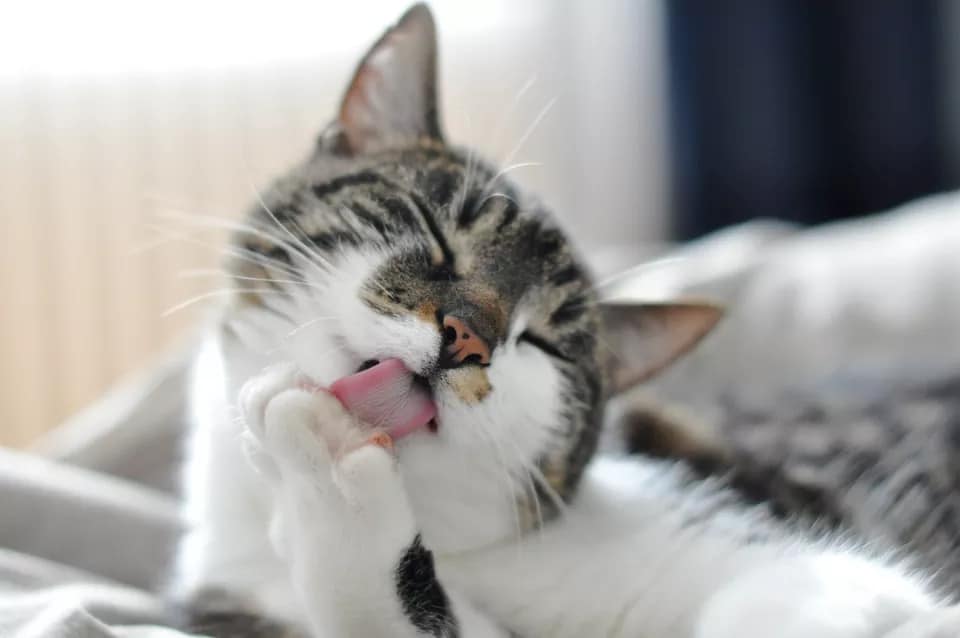
When cats lick themselves to clean themselves, they constantly swallow some of their own body. Cats have backward-facing tongues. The tongue picks up loose hair and collects it in the mouth, which then becomes a ball, and the hair passes into the stomach.
“Obsessive cat owners know that cats spend 30 percent of their waking hours grooming themselves, and that’s because cats are so good at grooming themselves,” says Dr. Lund.
Cat owners also believe that any cat of any breed (long-haired or short-haired) can get hairballs.
What causes hairballs?
Under normal circumstances, a cat’s obsession with licking itself, which causes it to swallow hair, shouldn’t be too much of a problem. Hair normally travels through the digestive system with food and is eliminated in the feces. Hairballs form when the digestive system can’t properly digest the hair in the stomach and intestines and expel it through the feces.
“It’s basically a mechanical problem. The hair can’t move through the digestive system, which is a motility problem (the movement of material through the digestive system),” says Lund.
Dr. Marinan says that some treatable diseases can cause digestive problems. Some diseases that can slow down the digestive process include hyperthyroidism and diabetes. Other digestive problems that can prevent hairballs from forming include intestinal and stomach cancer and stomach valve problems.
Hairballs in Cats: How to Fix the Problem
Marinnan says that the occasional hairball problem is not that serious, and if cats eat quickly or have food sensitivities, the hair will come out along with the nausea.
He also believes that occasional vomiting in cats can have many causes, including eating plants outside the home. But if the nausea occurs more than once a month, there is probably a problem.
Because of the potential seriousness of hairballs, Marinan and Lund recommend that cat owners take their cats to the vet if their cats start producing hairballs.
Both researchers believe that the only way to determine whether the problem is a simple food change and It will resolve itself easily or if there is a more serious problem. See a veterinarian regularly.
Diagnosing Hairballs in Cats
To accurately diagnose hairball-related problems, your veterinarian will usually use a number of diagnostic tests, including blood tests, X-rays, an ultrasound of the stomach and intestines, or an endoscopy. In an endoscopy, your cat is anesthetized and a tube is passed through the stomach and intestines to view and sample the tissue, which is then examined under a microscope.
Treating and Preventing Hairballs
Dr. Lund says that treating your cat's hairballs involves identifying the underlying cause, including intestinal disease, cancer, or diet. Some breeds of cats, such as the Maine Coon and the Ragdoll, are prone to intestinal valve disease, which can lead to an increase in hairballs in these breeds.
Common hairballs can be treated with anti-hairball pastes and oral petroleum jelly, which helps to dislodge hair from the digestive tract. Marinan says that Vaseline works by Brown sugar is also a good option for this.
In addition, some veterinarians suggest changing your cat's diet.
The final word on hairballs in cats
Both doctors say the most important thing to keep in mind is to bring it up.